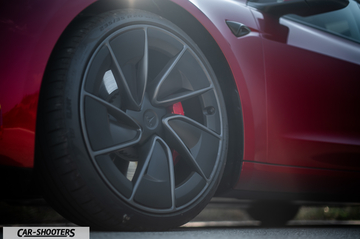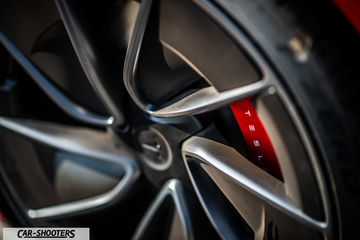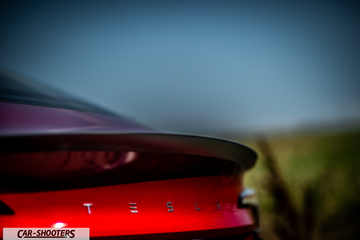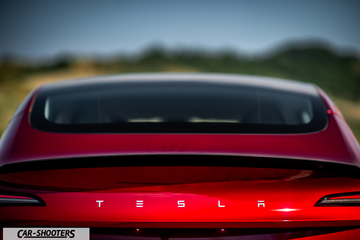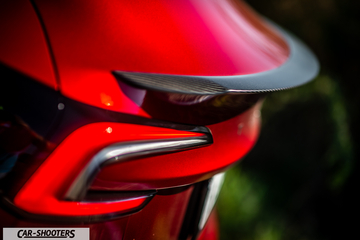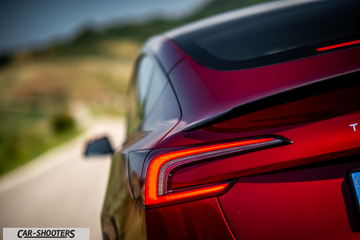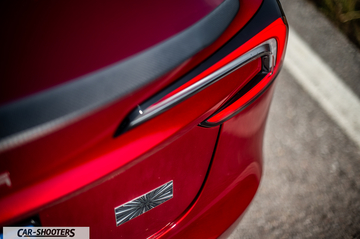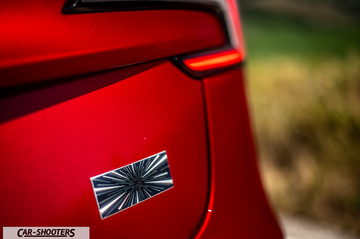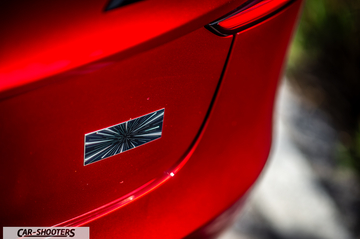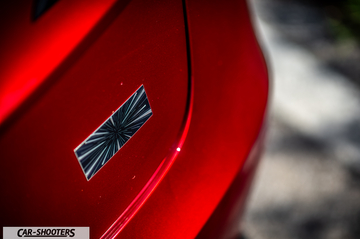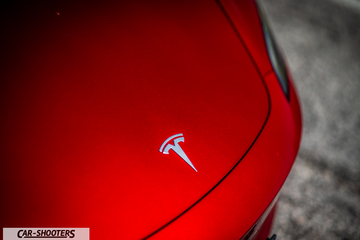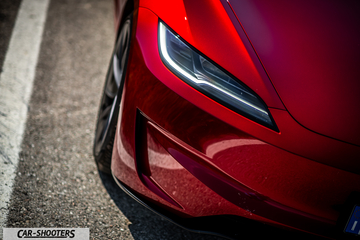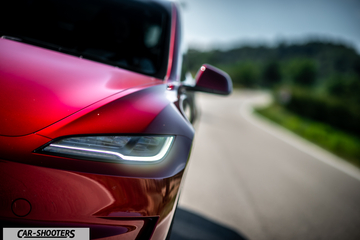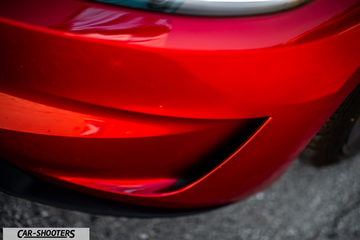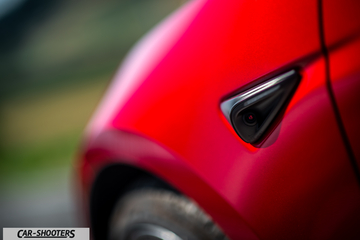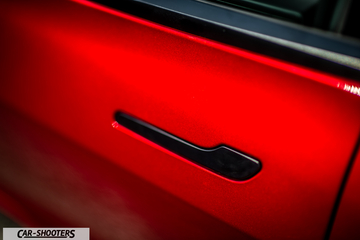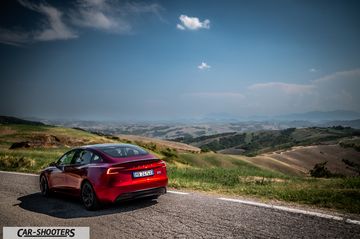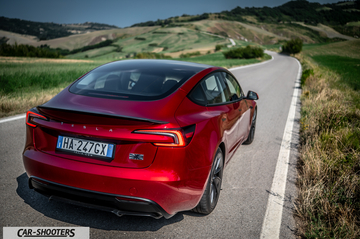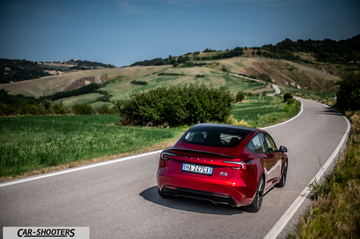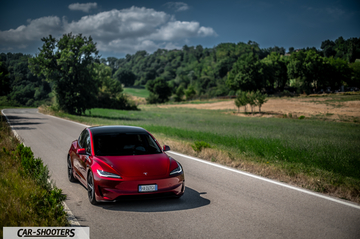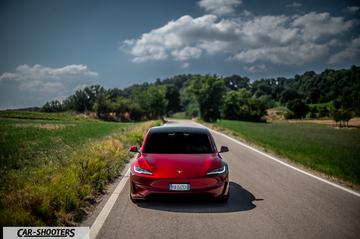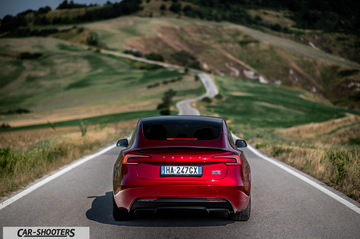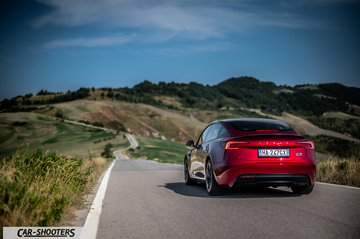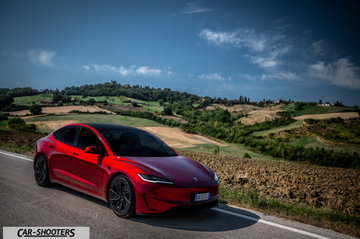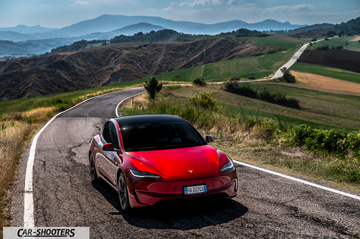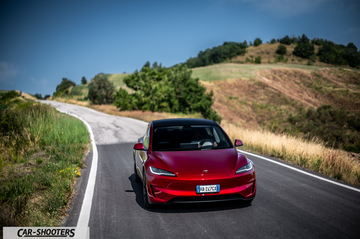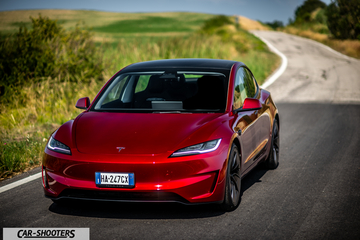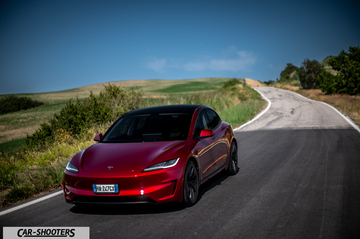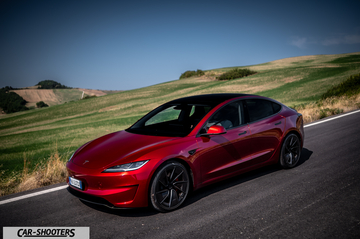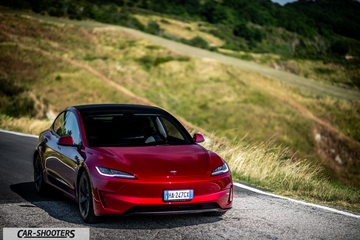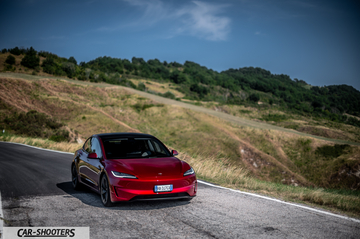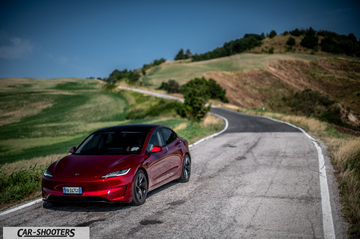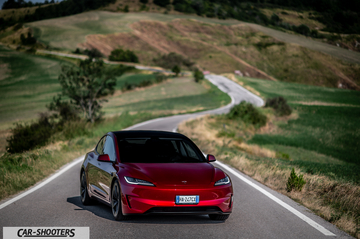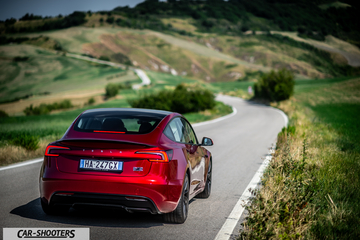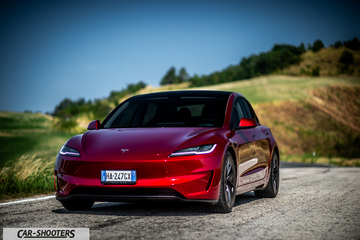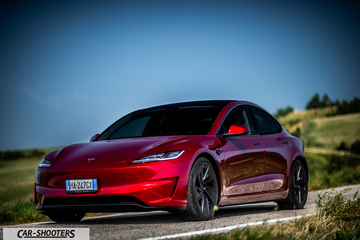

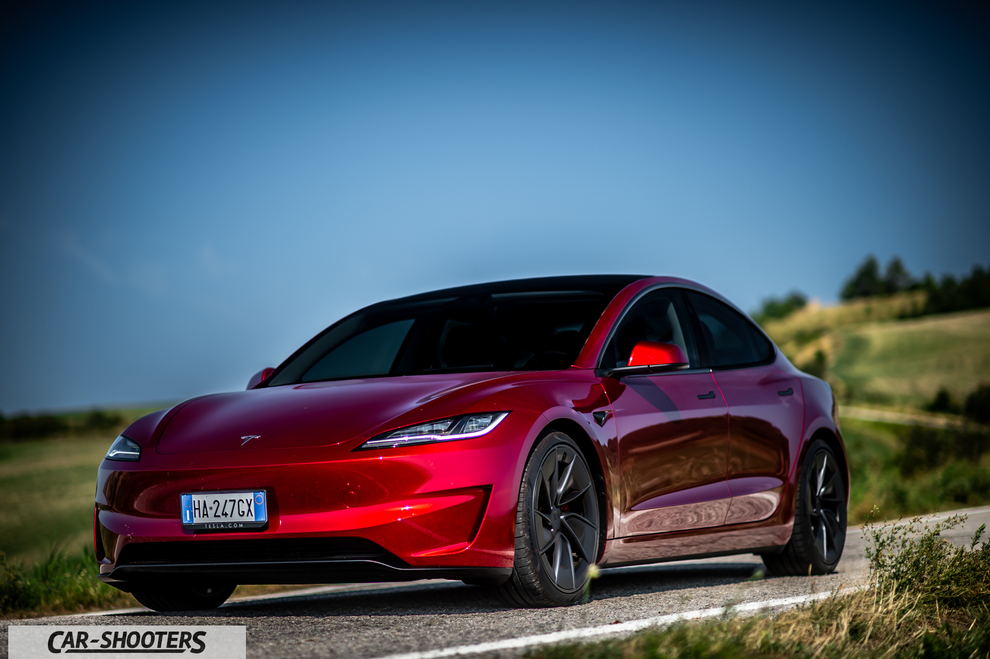
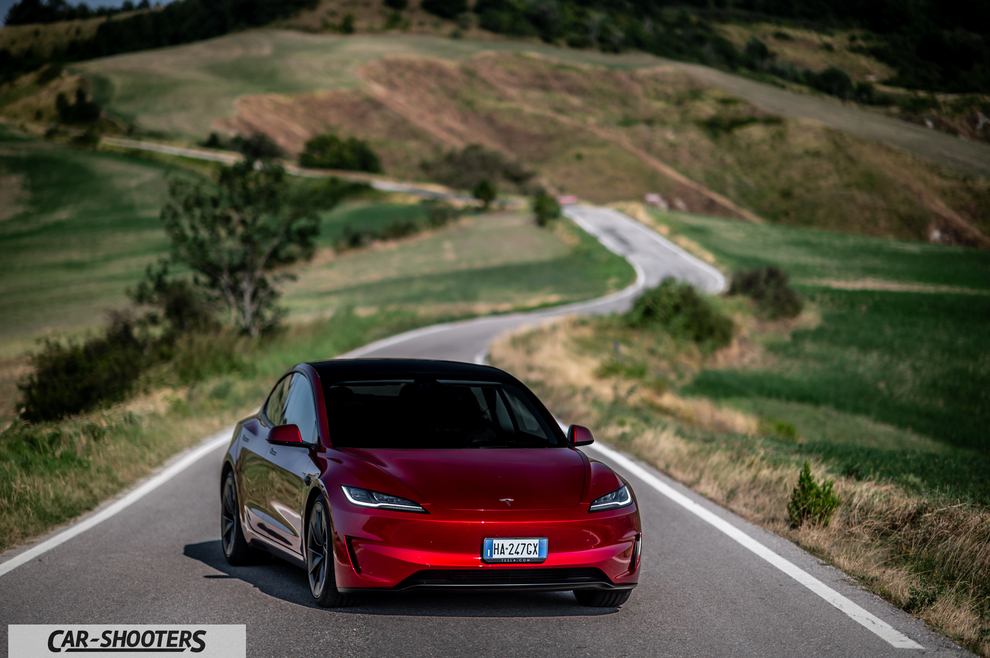
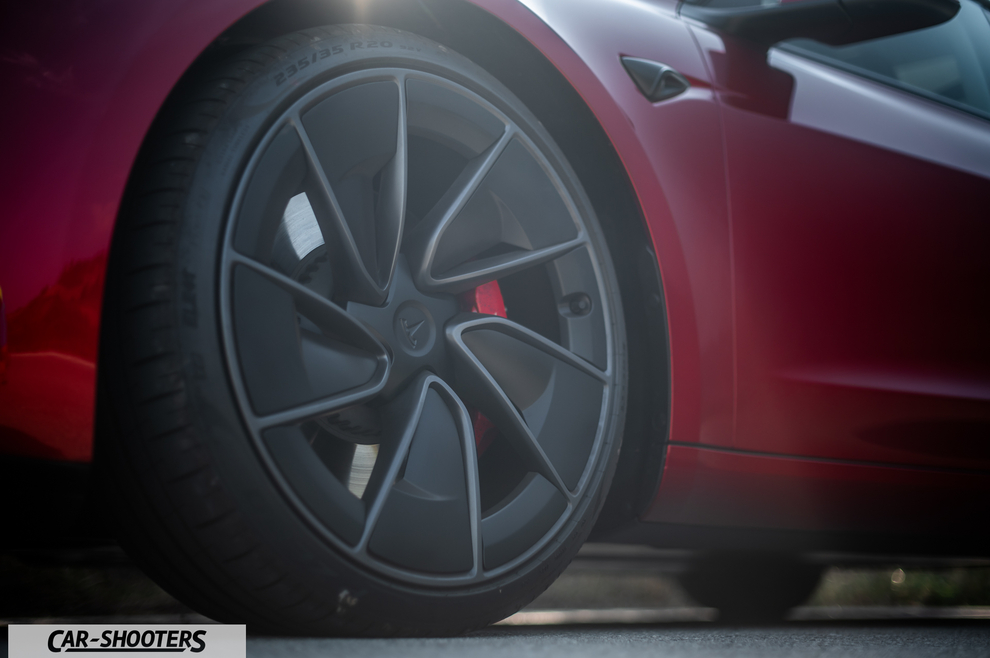
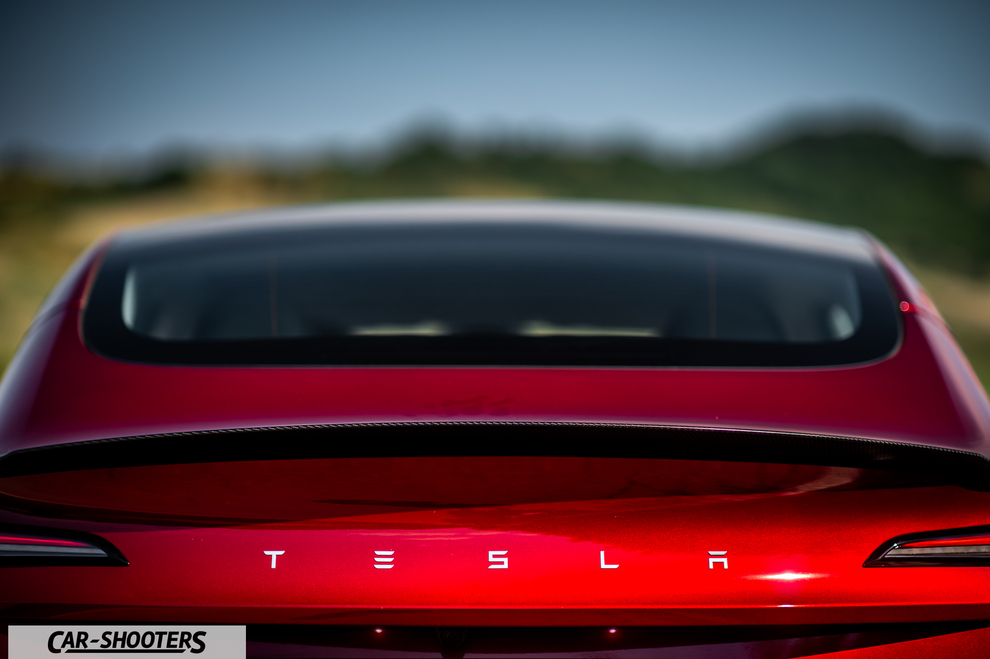
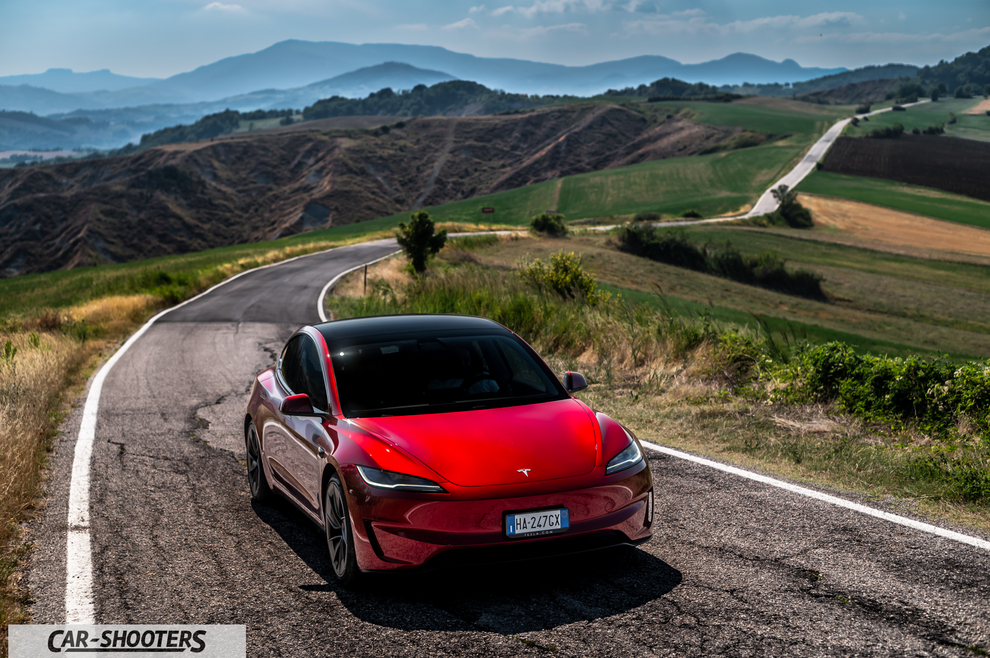
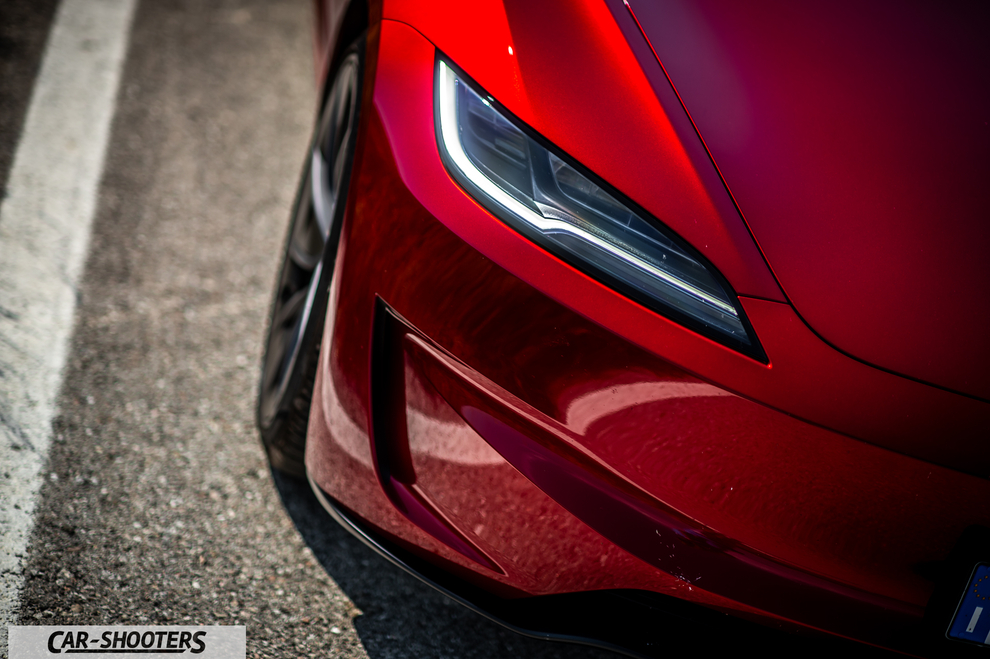
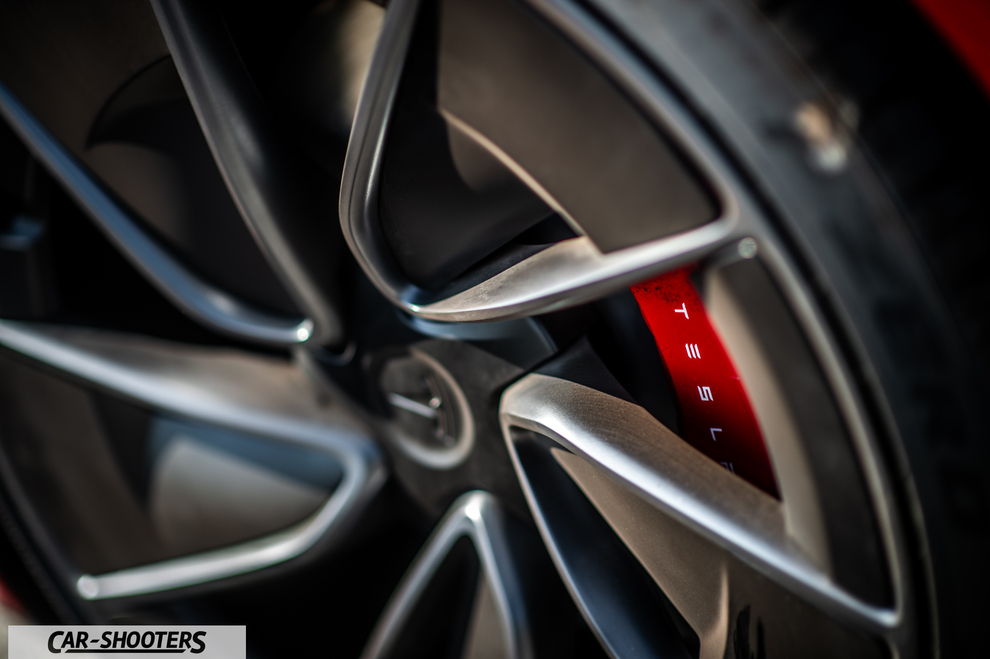
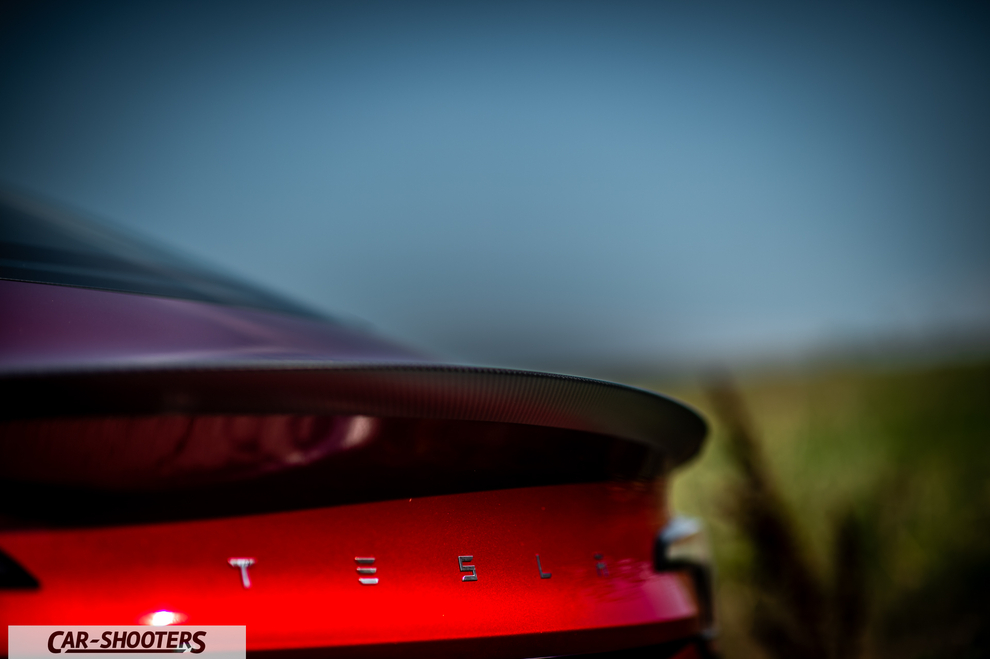
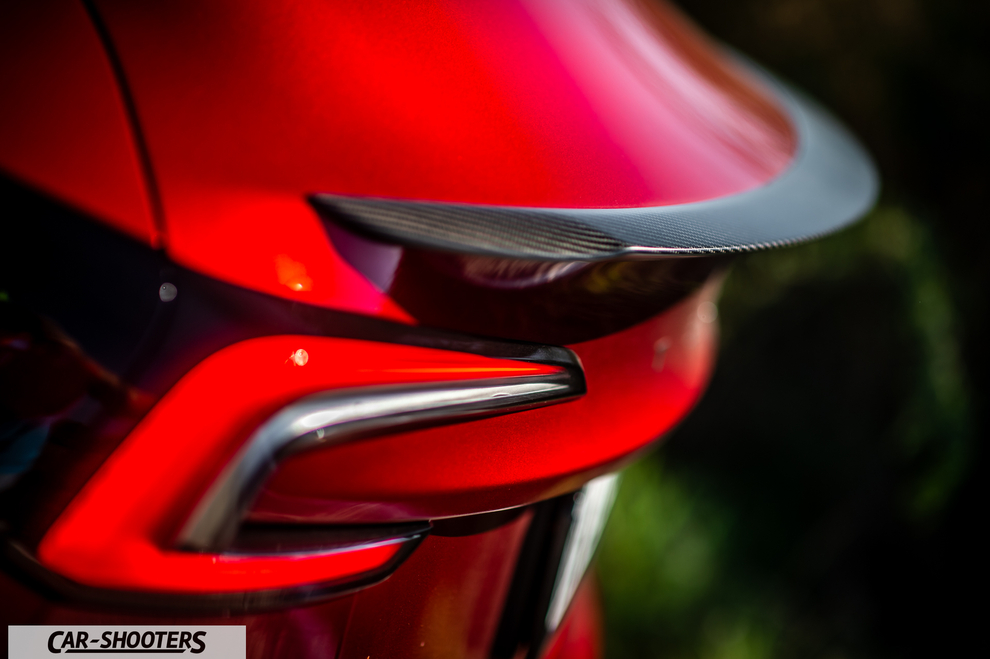
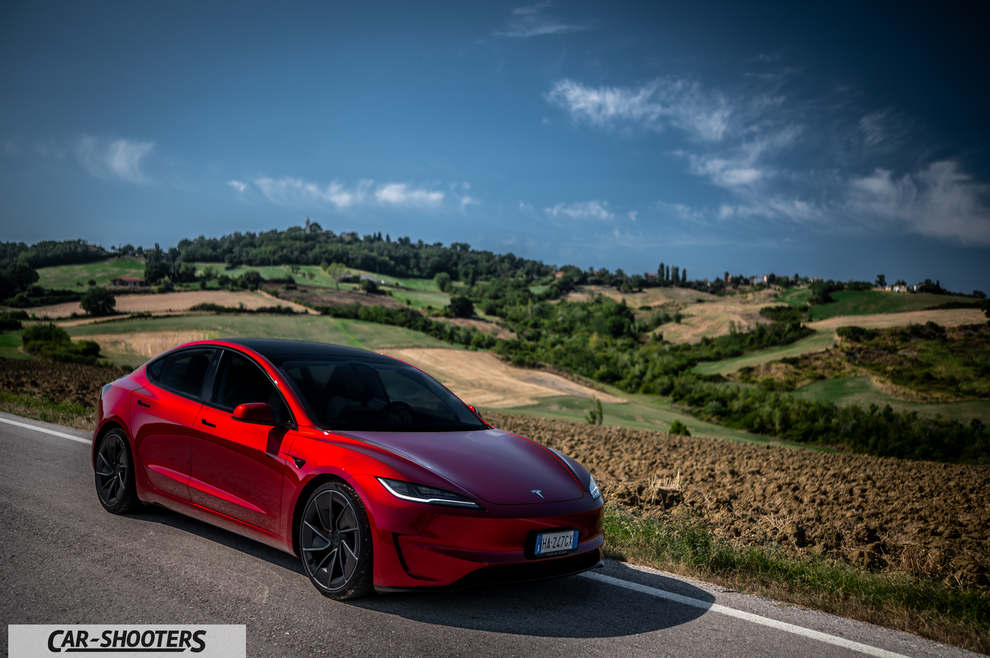
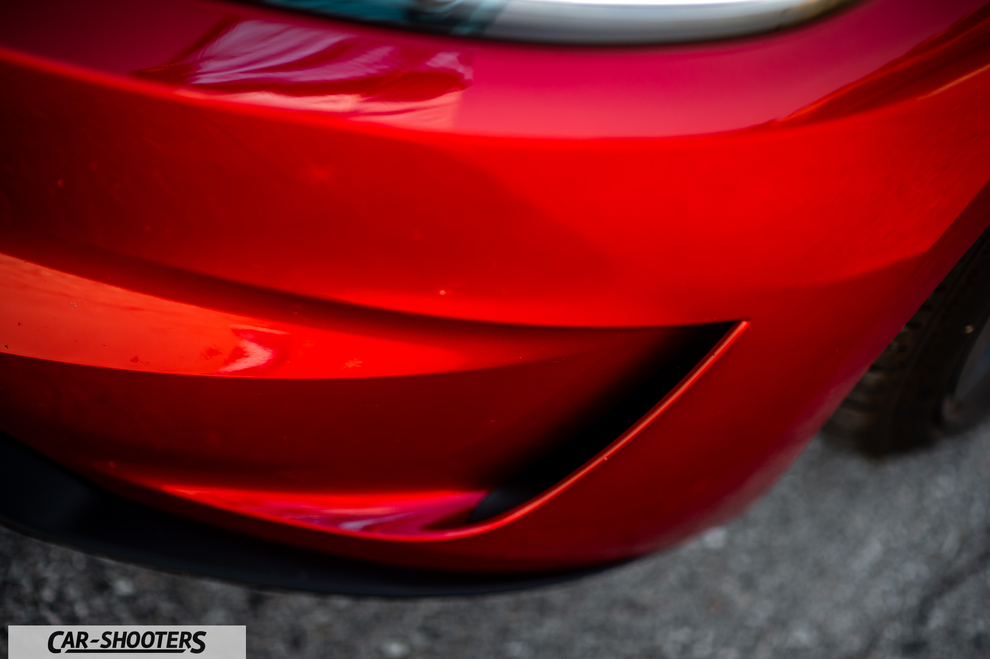
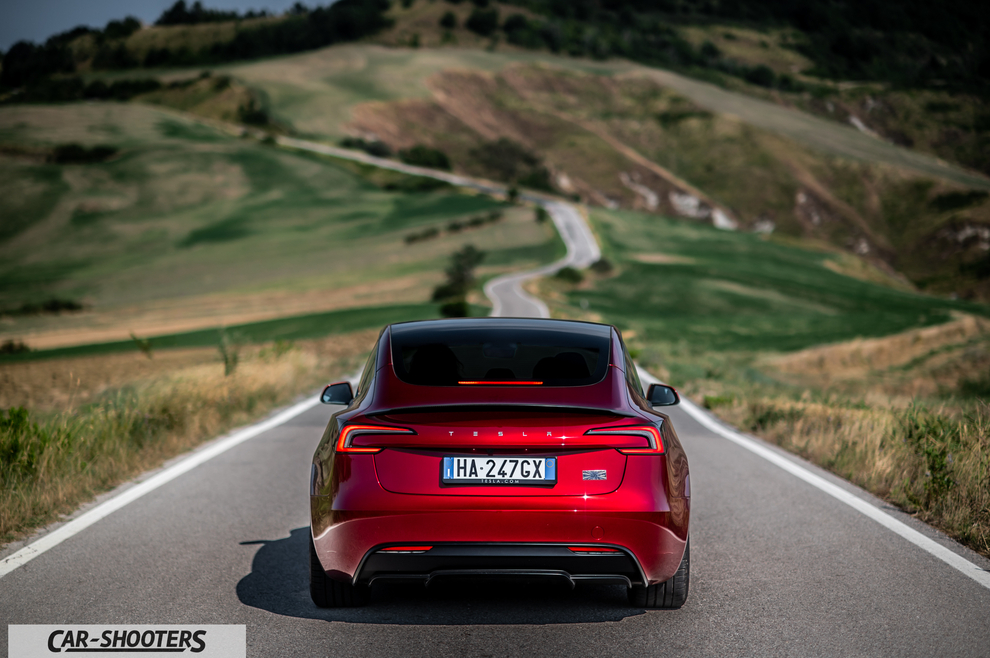
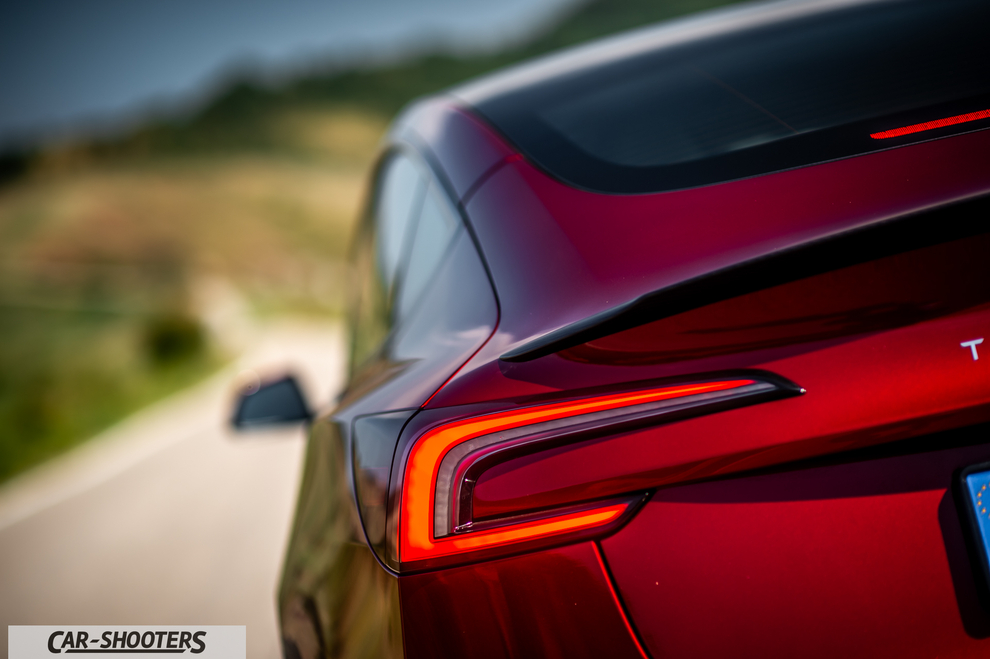
Today we are behind the wheel of the Tesla Model 3 Performance for a review. It is the most powerful and sophisticated version of the Highland range, designed to take the American electric sedan to an even higher level in terms of dynamics and precision. A car that evolves an already mature project, making it sharper, more technical and more complete. The foundation is that of the new Model 3, with cleaner lines, improved aerodynamics and enhanced perceived quality. The Performance adds specific elements that underline its character: a dedicated front bumper, carbon fibre rear spoiler, lightweight wheels and an upgraded braking system with red calipers. The proportions remain those of a compact three-box sedan, yet the overall stance appears more taut and planted. It is a Model 3 that communicates greater sportiness without disrupting the balance of the original project.
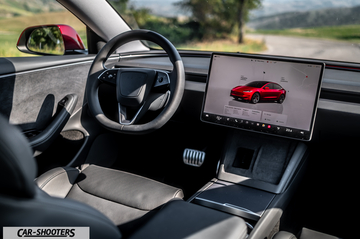
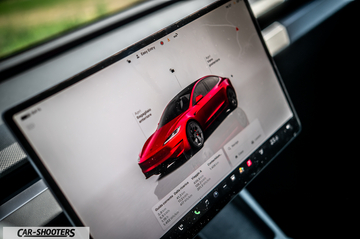
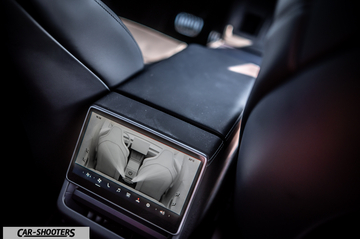
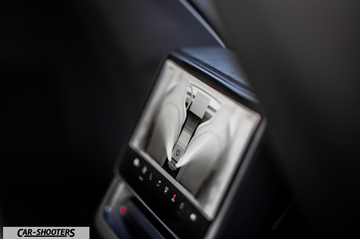
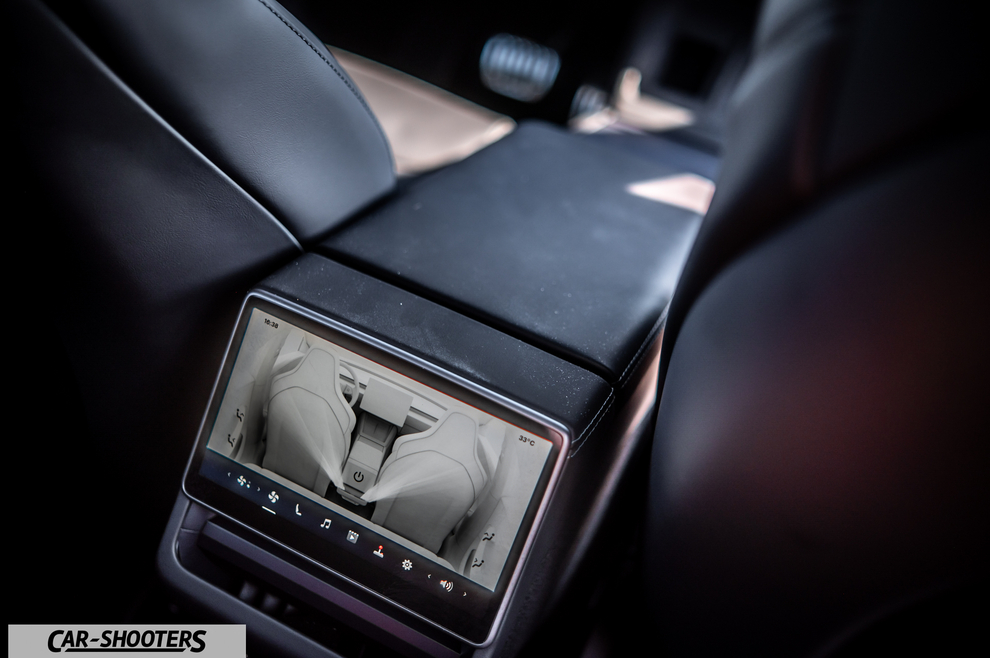
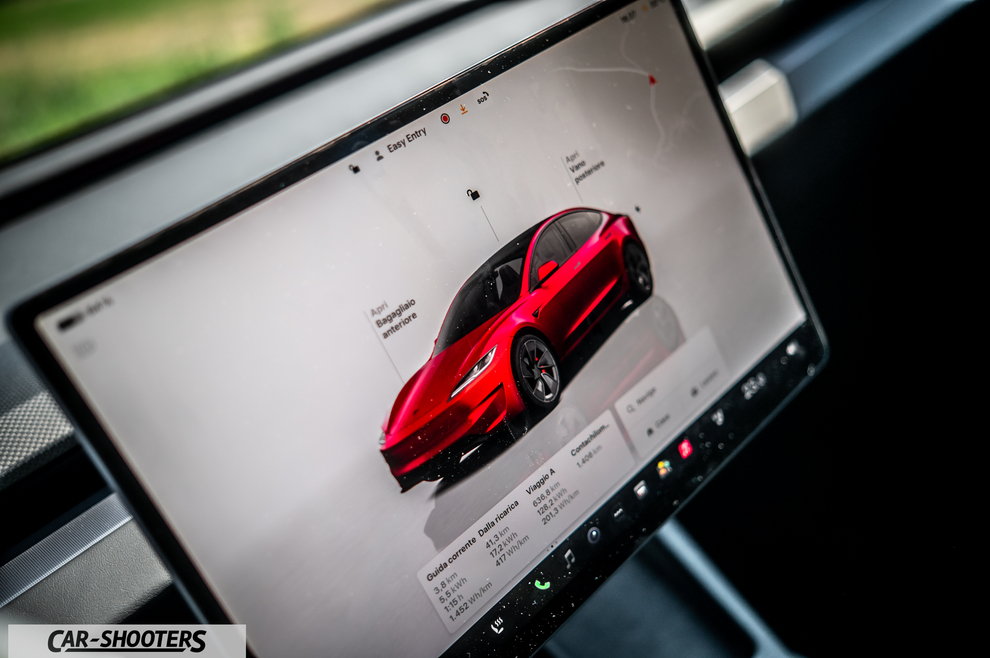
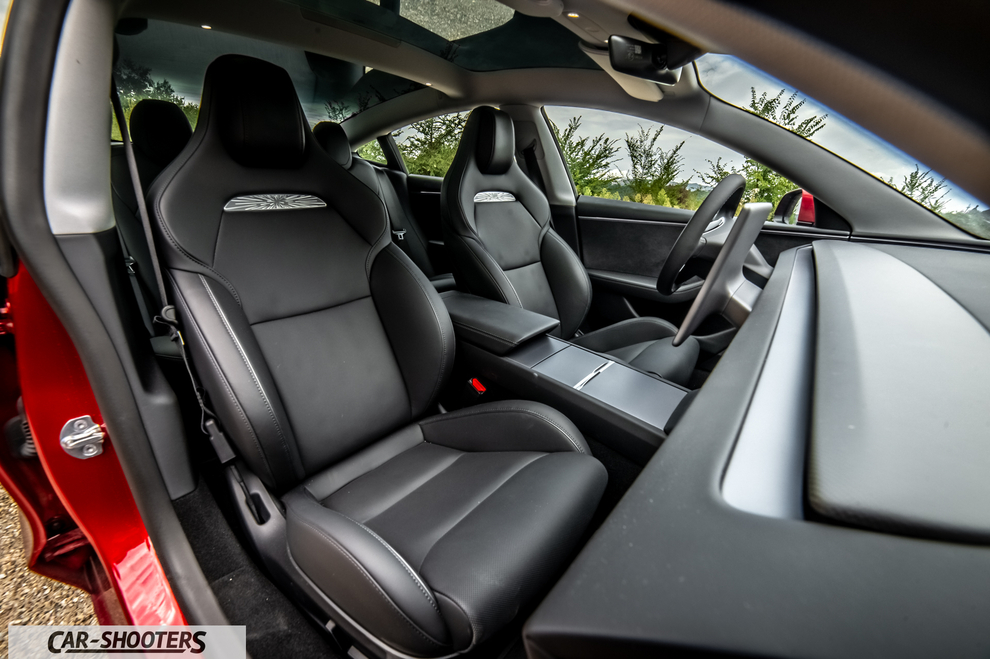
Inside, we find the minimalist layout introduced with the Highland update. The large 15.4-inch central display controls virtually every function of the car, while the new 8-inch rear screen enhances the experience for passengers. Materials have been improved and sound insulation is more refined compared to the previous generation. On the software side, compared to our previous tests, it has not changed radically but has evolved where necessary. Useful features have been added, such as the ability to view multiple cameras in Sentry Mode, weather information integrated directly into the maps and the option to use the Apple Watch as a key. It is a system in constant evolution, now mature and free of evident bugs, continuing to set a benchmark not only among electric vehicles but across the entire automotive landscape.
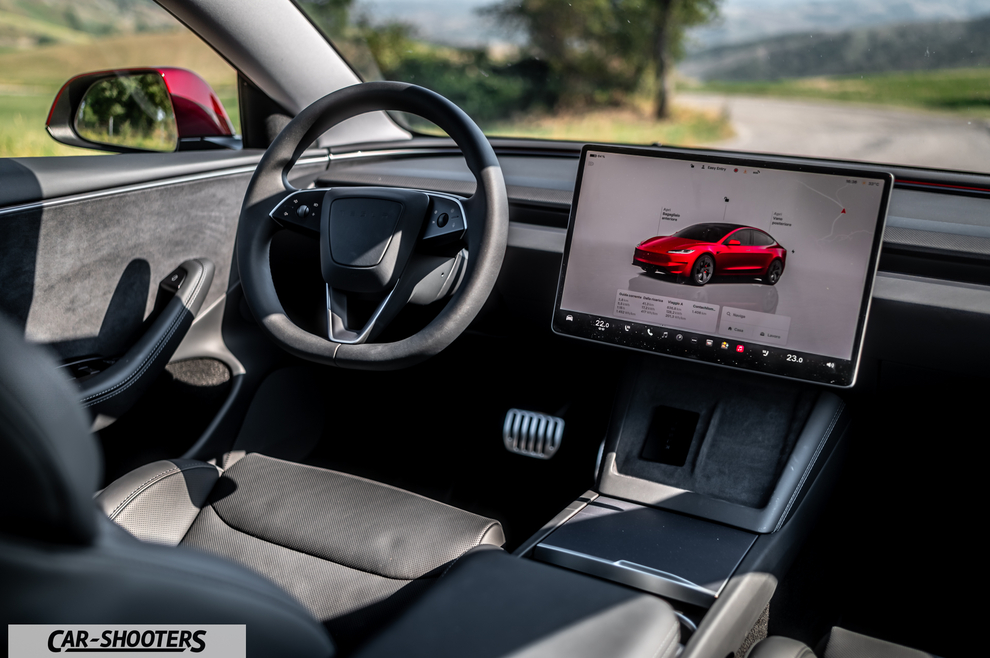
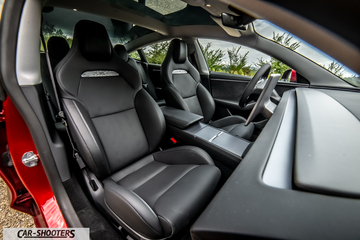
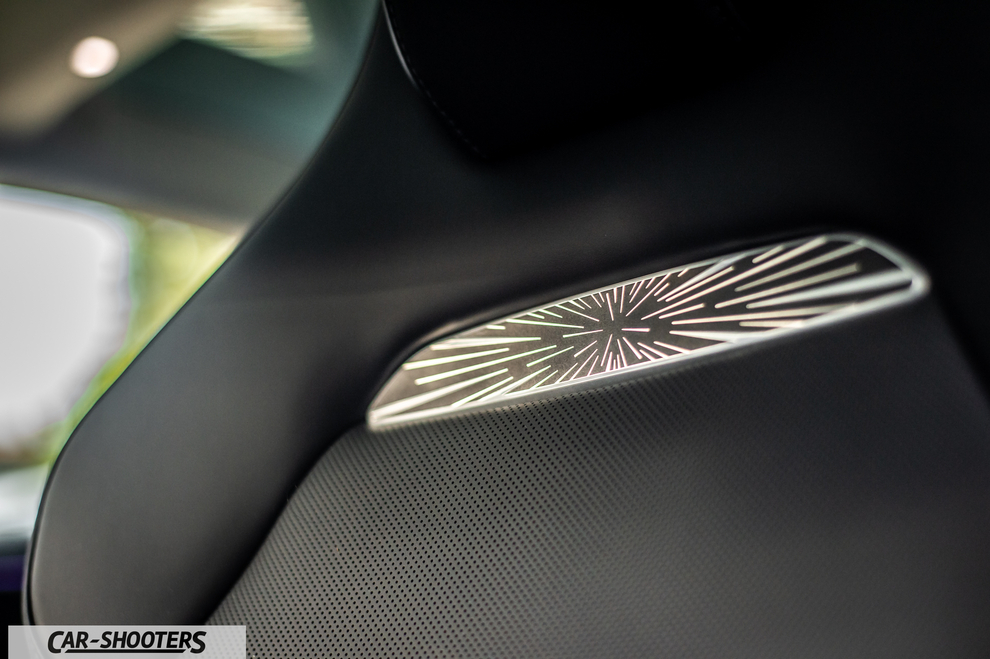
The Performance version introduces sport seats with increased lateral support and specific details that make the cabin more consistent with the available performance. The approach remains typically Tesla: few physical controls, a central software interface and constant over-the-air updates. The dual motor all-wheel-drive system represents the technical heart of the car. The two electric motors work in synergy to ensure instant torque distribution and high levels of traction in every condition. Acceleration from 0 to 100 km/h is achieved in around 3 seconds, placing it at the top of its category. Throttle response is immediate and linear, with continuous thrust that does not fade at intermediate speeds. A separate chapter must be dedicated to the new electronically controlled suspension. It is probably the element that most changes the perception of the car compared to the past.
On Italian roads, which are rarely perfect, the difference is noticeable: in the softer setting the car becomes significantly more comfortable than the previous Model 3 Performance, absorbing bumps and uneven surfaces more effectively. In Sport mode, however, the suspension stiffens decisively, reducing body movement and making responses even more precise. Honestly, it was what was missing. For those who want to push further, Track Mode – exclusive to the Performance versions – allows deeper intervention in the car’s dynamics. It is possible to vary torque distribution between front and rear and make electronic controls less intrusive, adapting the car’s behaviour to personal preferences or track conditions.
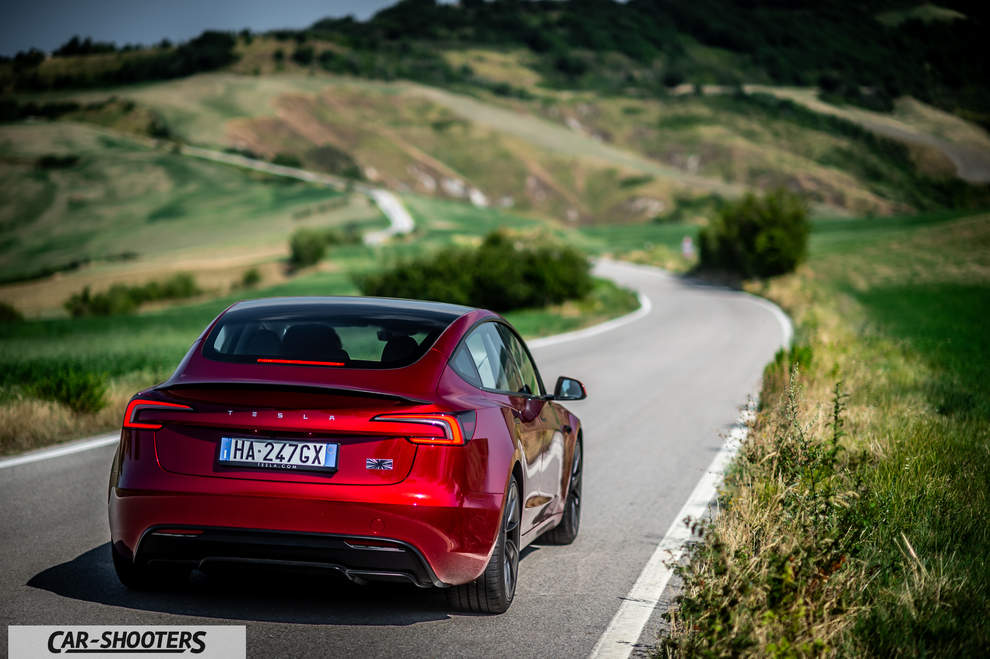
On the road, the Model 3 Performance shows an interesting balance between effectiveness and control. The low centre of gravity, thanks to the battery pack placement, contributes to good stability during direction changes. Steering is direct and delivers a response consistent with the car’s character. In terms of range, real-world motorway driving settles around 350 km with a steady pace. Away from the motorway, between extra-urban routes and mixed driving, it is possible to approach 550 km without particular difficulty. A figure that confirms the versatility of the project, even in its most performance-oriented version.
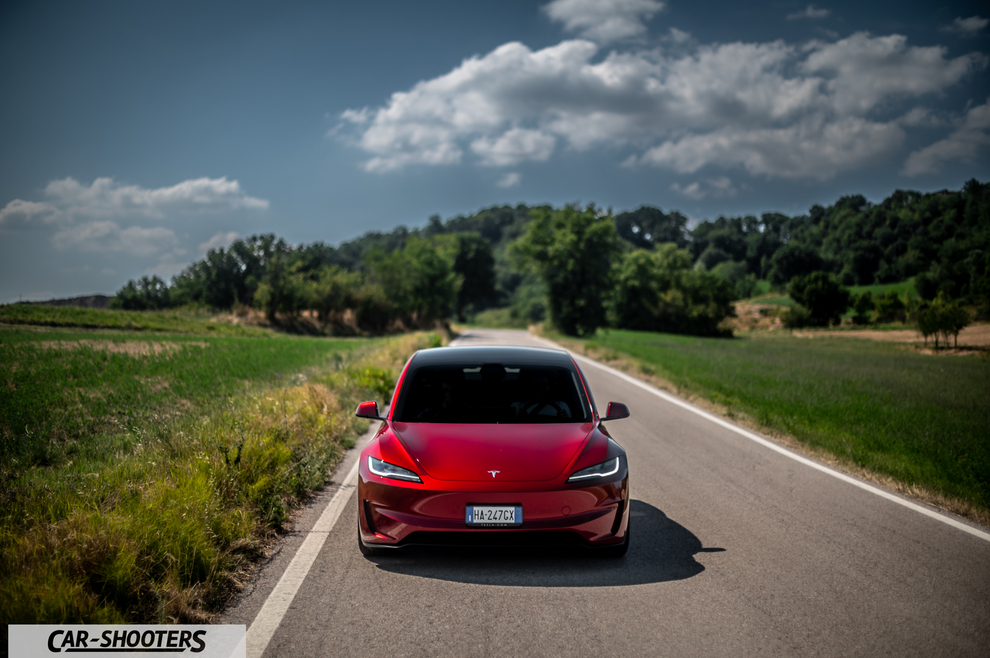
Charging remains one of its strong points. At Superchargers, the experience is simple and straightforward, with transparent costs and a level of reliability that continues to make a difference in everyday use. Peak DC charging reaches up to 250 kW, while AC charging goes up to 11 kW. In DC, going from 10% to 80% takes around 25 minutes, allowing for quick stops even on longer journeys. Route planning integrated into the onboard system once again proves accurate and well calibrated. As per Tesla tradition, configuration also follows a minimalist philosophy. At the time of writing, the starting price is €57,490. Customisation options are essential yet focused: white interior available for €1,200, a colour range starting with the included white up to €1,300 and €2,000 options such as the Ultra Red of the tested version. Advanced Autopilot can be added for €3,800 or the FSD package for €7,500.
Speaking of FSD, a few months ago we took part in a short test coordinated by Tesla and the impression was surprisingly positive in terms of smoothness and traffic management capability. The Tesla Model 3 Performance therefore positions itself at the top of the range, offering a mix of technology, performance and everyday usability that is difficult to replicate in the segment. It is the most complete evolution of the American electric sedan, designed for those seeking something more without sacrificing the practicality of a project that has reached such a high level of maturity that going further today means refining details rather than correcting real shortcomings.
Bonus images: