
The engine is the pivotal element of a car, and without it a car could not really be called one. In fact, the engine sometimes becomes an integral part of a specific model, helping to make it unique and to set it apart from the rest. Every manufacturer enjoys a certain degree of freedom over the cylinder layout, and the choice of one solution rather than another is dictated by performance targets, design constraints and customer expectations. The cylinder is the engine component along which the piston travels while the engine is running. As a general rule, engines have more than one cylinder, and the ways in which they can be arranged are the following:
- Inline cylinder layout
- V cylinder layout
- Boxer layout
Inline cylinder layout:
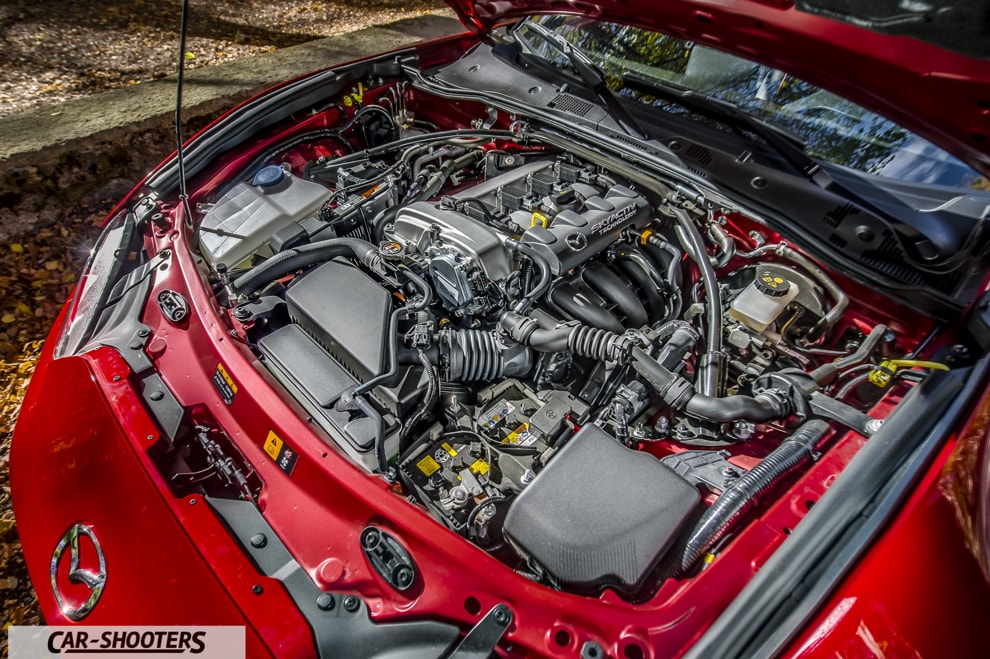
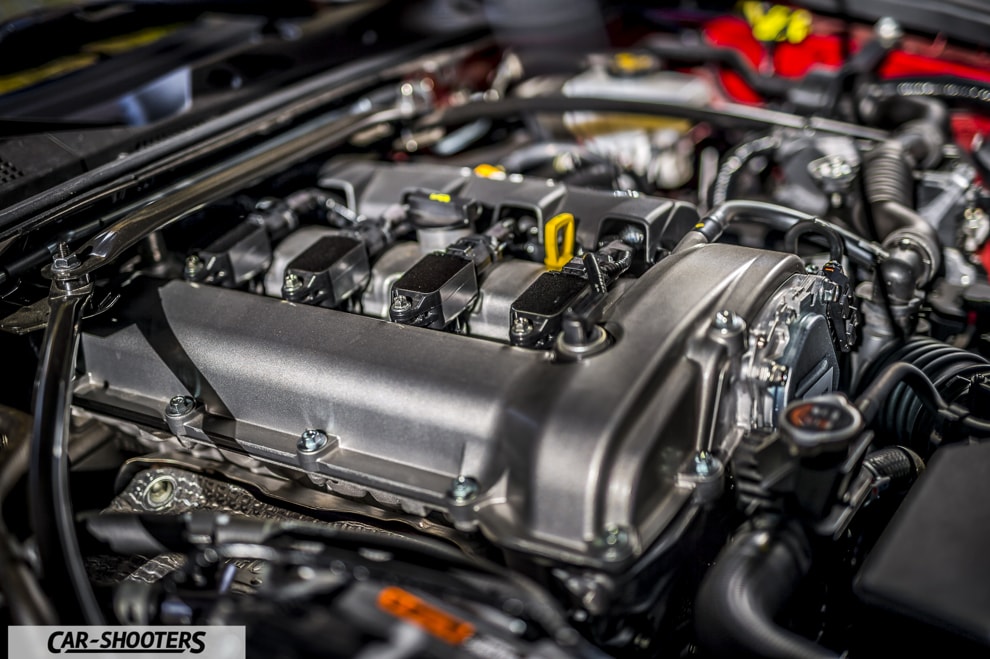
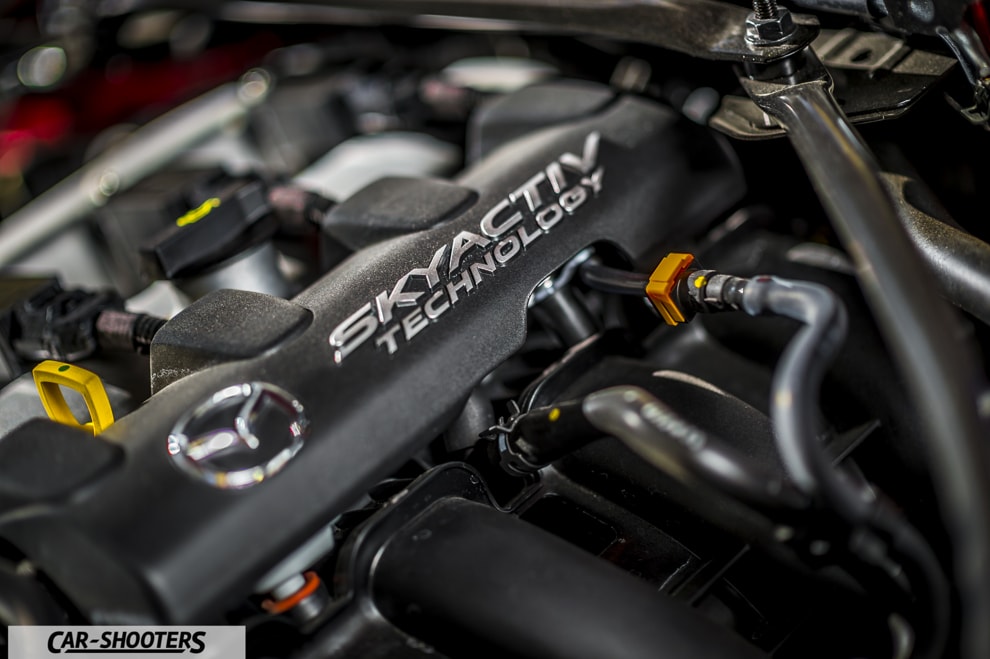
In this case the cylinders sit parallel to one another, side by side. It is the layout adopted for mass-produced cars, thanks to the fact that it requires designing and building the smallest possible number of components, keeping down the cost of each individual engine. It is also the layout that does not require (except for the four-cylinder solution) the use of balancing shafts for balancing purposes, that is for reducing the vibrations that can disturb the smooth running of the engine. Those vibrations are generated by the inertial thrust of the piston, which is transmitted to the crankshaft and, from there, to the rest of the engine. While it is true that the inline layout almost always guarantees balance without the help of balancing shafts, it is equally true that this result is reached with a high number of cylinders. The inline layout therefore calls for long crankshafts, which in turn means that plenty of room has to be available in the engine bay. The height of the engine can also demand space of its own, depending on the size of the piston, the connecting rod and the crankshaft. Sometimes that height is so significant that tilting the engine helps to contain the space required. In the photos, the inline four-cylinder of the Mazda MX-5 ND (click here for the full article):
V cylinder layout:
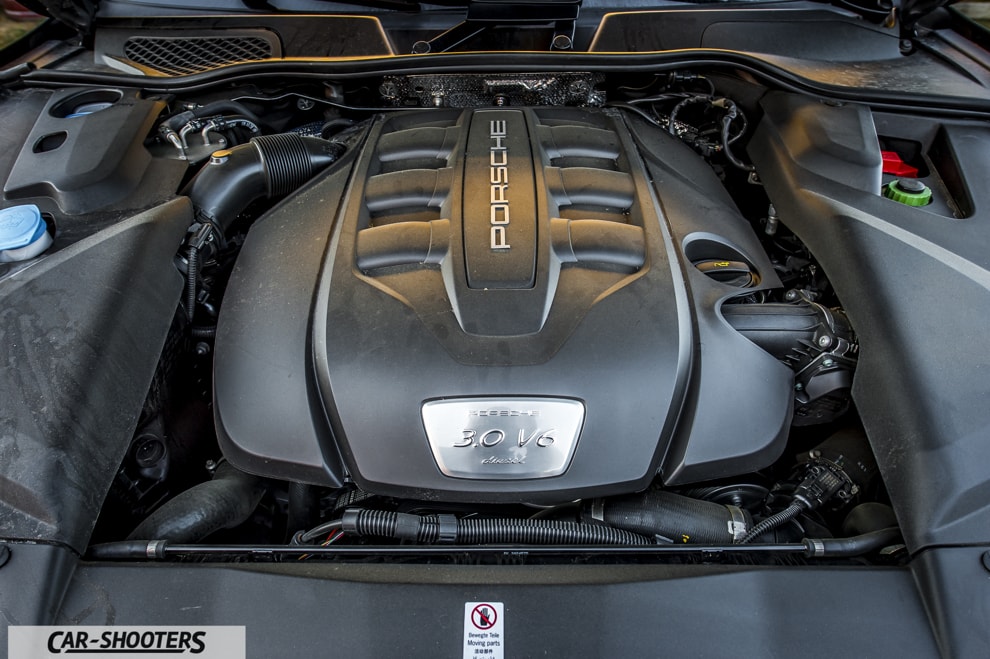
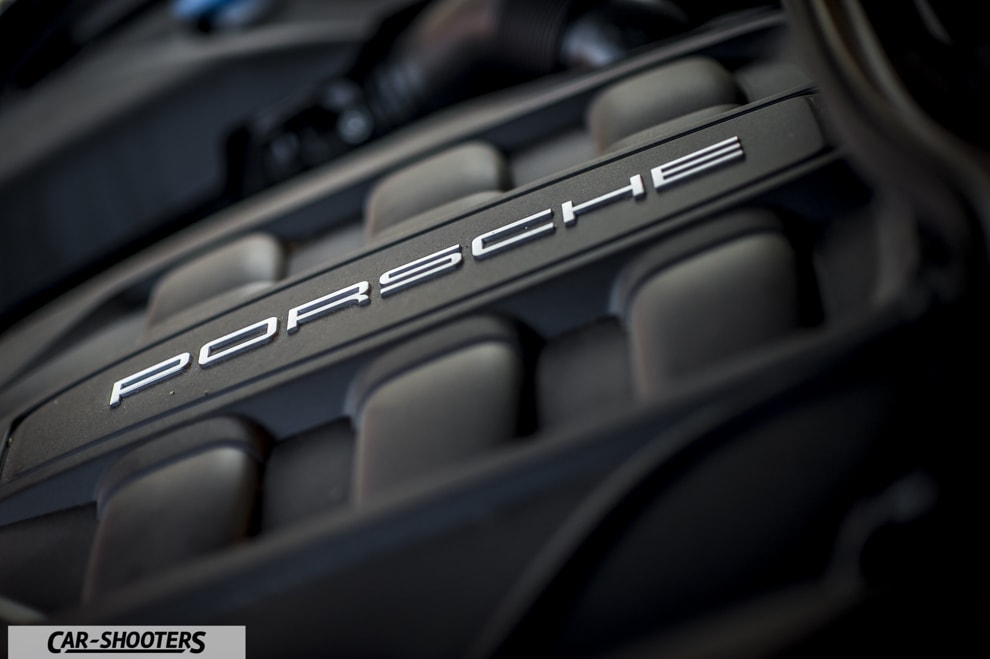
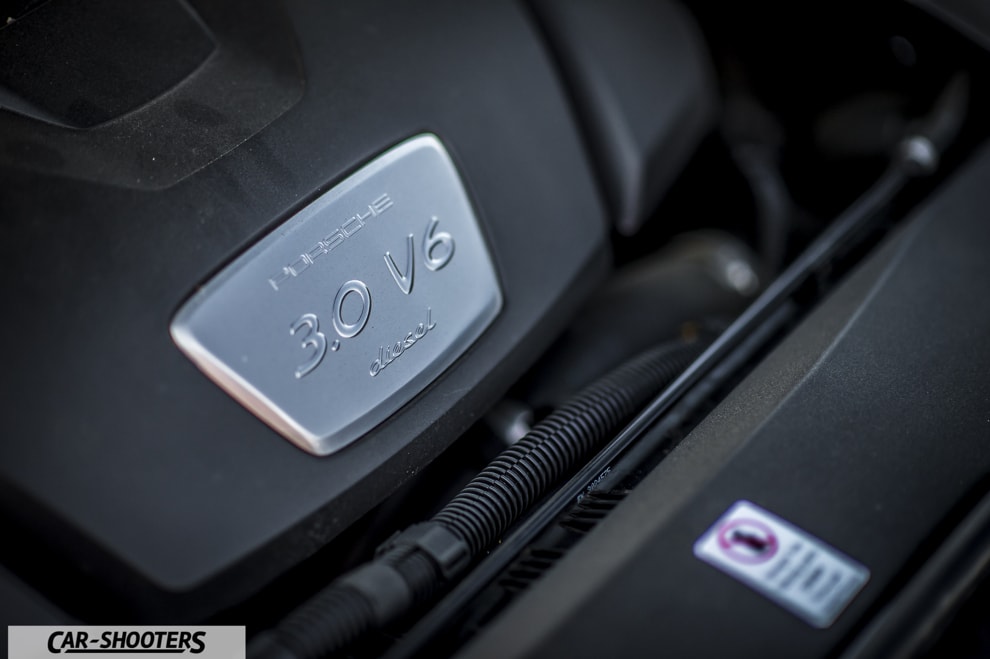
When people talk about engines with the cylinders arranged in a V, it is only natural to think of cars with a sporting vocation, such as Alfa Romeo’s Busso V6 or Cosworth’s DFV V8. It is indeed the V architecture that makes it possible to fit a greater number of cylinders than an inline engine within the same overall dimensions. The higher the number of cylinders, the more power can be delivered. Not only that: the height of the engine comes down, and with it the centre of gravity of the engine itself (for more information on the centre of mass click here), which helps to lower the centre of gravity of the whole vehicle. Body roll is reduced and the car handles better through corners. A word of caution, though: tilting the cylinders means reducing the height of the engine, but it also means increasing the lateral space required in the engine bay, which may force the use of suspension systems such as the MacPherson strut, known for being inexpensive but also for allowing the attitude of the car to change excessively through corners. On top of that, building a V engine means increasing the number of components required (two cylinder heads instead of one, four camshafts instead of two) and the complexity of the intake and exhaust ducts, with the resulting increases in cost and weight. When it comes to balancing, balancing shafts will almost always be necessary, except in the case of a bulky twelve-cylinder. Below, the V6 of the Porsche Cayenne Diesel (click here for the full article)
Boxer cylinder layout:
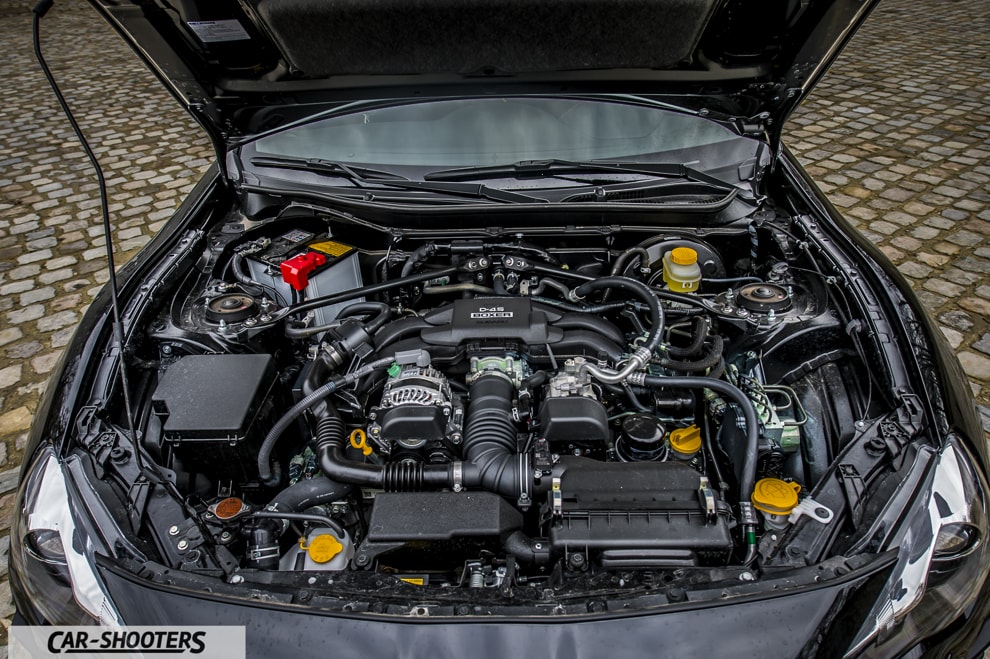
Let us start with an important premise: the boxer engine is very often confused with the flat engine because of how similar the two appear. In both cases, in fact, connecting rods and pistons are arranged horizontally. The difference lies inside: in boxer engines the connecting rods each sit on their own crankpin; in flat engines the connecting rods are arranged in pairs on the same crankpin. This affects the balance of the engine, because in a boxer engine the opposed motion of the pistons already reduces vibration by itself. The flat engine should be seen as a 180° V engine, in which the unidirectional motion of the opposing cylinders generates strong vibrations, which is why it is advisable to use balancing shafts. (In the drawing, the 180° V engine on the left and the boxer on the right)
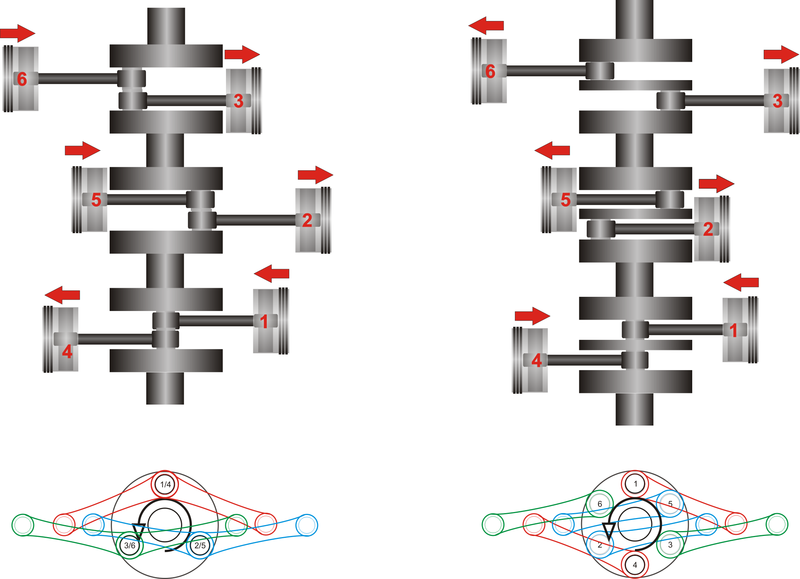
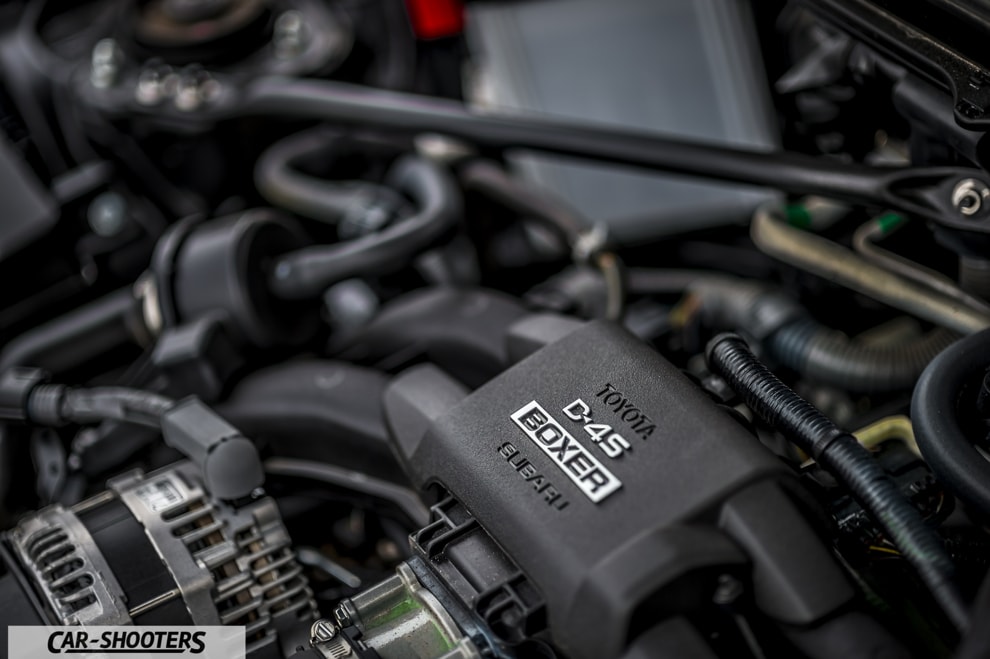
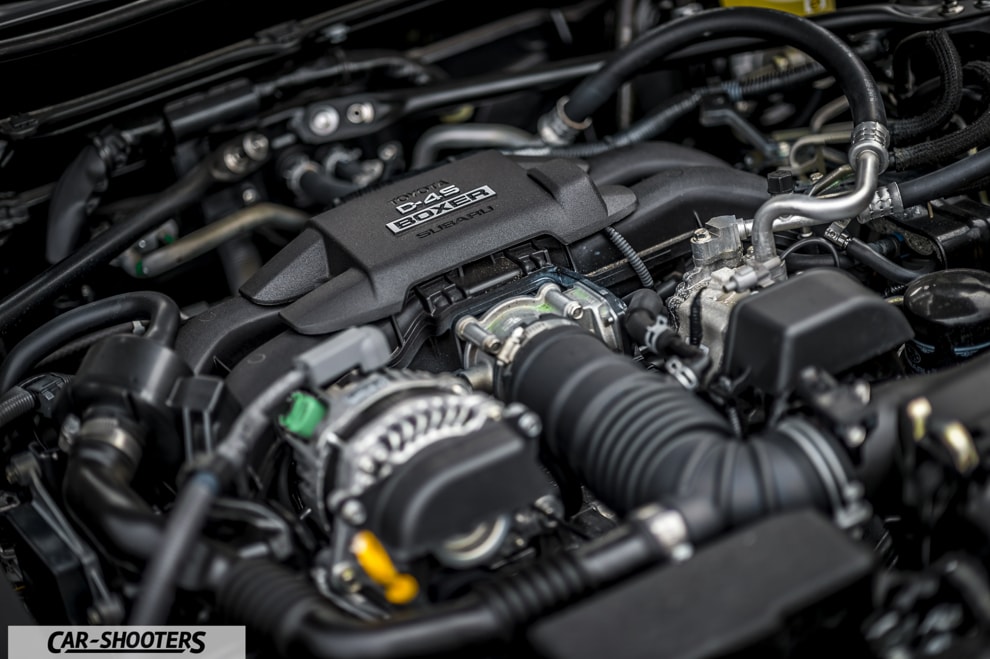
Thanks to its very architecture, which is lower still, the centre of gravity drops even further than with a V engine, but the lateral bulk increases further as well. Handling improves even more, but the adoption of MacPherson suspension becomes ever more unavoidable. It keeps the same degree of complexity seen in V engines: more cylinder heads, more camshafts, more complex intake and exhaust ducts than an inline engine. Which here too translates into expensive, heavy engines. Below, the four-cylinder boxer of the Toyota GT86 (click here for the full article):